Carbon Fiber Tubes & Parts
Choose tubes when the main purchasing decision is a section size and length. Choose custom parts when a drawing, mounting interface or three-dimensional shape defines the component.
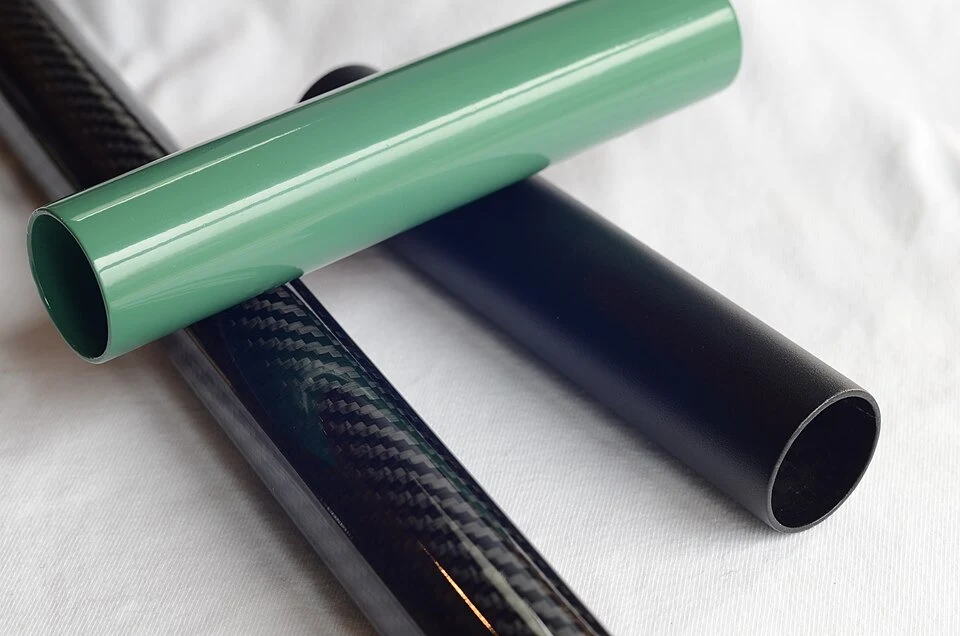
Explore by category
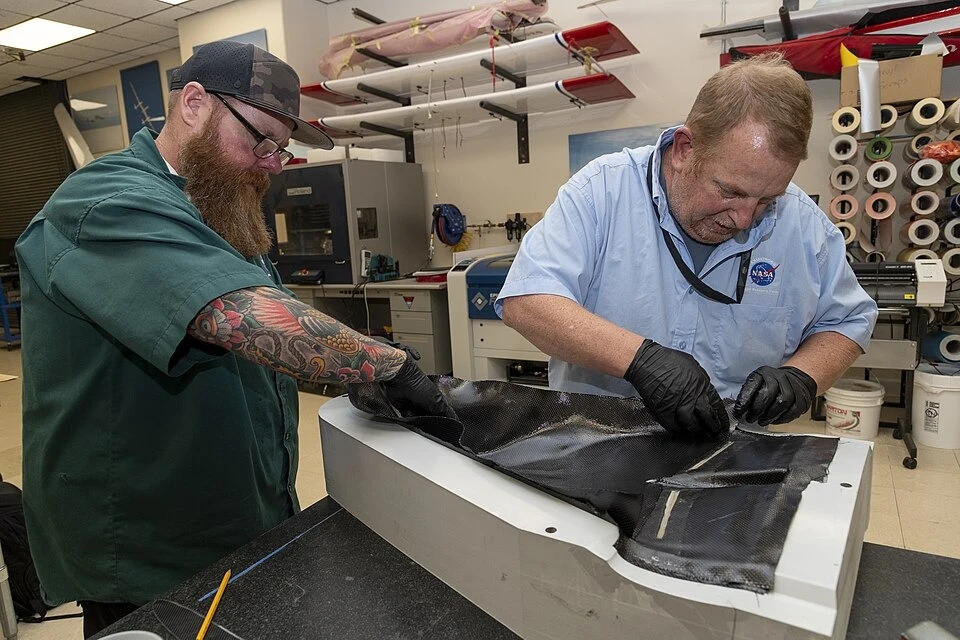 Custom Carbon Fiber Parts
Start with the surface that has to fit
A tube enquiry can begin with a section size and length. A shaped part usually starts with a drawing of the installed assembly. In both cases, identify the face or interface that decides whether the part can be used. A sliding bore, a mounting-hole pattern and a visible outer face each call for different checks.
For a project that combines a tube and a machined end or insert, describe their relationship in the same brief. Mark critical dimensions on one drawing revision and identify which features will be checked on receipt. That gives suppliers a common basis for quoting sample work and repeat production.
Choose a component brief
| Configuration | When it fits | What to check |
|---|---|---|
| Tube stock | Straight lengths cut to size for further assembly. | Identify section shape, dimensions, tolerances and lengths per quantity. |
| Finished tube | A shaft or sleeve with holes, slots or end fittings. | Provide the tube specification together with the feature drawing and orientation. |
| Shaped component | A bracket, panel, shell or part located by its interfaces. | Provide mating geometry, reference surfaces and the first-article checks. |
Write a tolerance against the feature that controls fit
For a round tube retained in a clamp, specify the finished OD at the clamping zone. For a molded bracket, identify the seating face and locate the mounting features from that face. A single overall length on either drawing can be within tolerance while the assembly still fails to fit.
Ask for the dimension to inspect, its allowable range, and how the sample will be located for measurement. If appearance matters, identify the viewed surface and its acceptance sample separately. Keep the same revision and inspection basis when requesting the repeat-order quotation.
Choose between a tube and a shaped part
Sliding shafts, sleeves and straight structural members
Start with the tube cross-section, mating size and finished length.
Plates, covers, brackets and shells
Start with the part drawing, mounting points and surfaces that must align.
Tube with secondary features
Include holes, slots, inserts and end details on the tube drawing so they are considered in the same quotation.
Common questions
Ordering a tube
Send outside and inside dimensions, units, cut length and quantity. Mark the diameter or face that controls the fit and include the required tolerance.
Ordering a shaped part
Send a revision-controlled drawing, identify critical interfaces and describe the loads. Separate prototype quantity, recurring volume and any tooling requirement.
What makes two component quotes comparable?
- Use the same drawing revision, units and quantity split for both suppliers.
- Mark critical dimensions and agreed inspection points. Separate functional tolerances from cosmetic preferences.
- Separate one-time work, prototype quantity and recurring batch size so the per-part comparison has a clear basis.