Telescopic Poles
Start with the job at the end of the pole: a brush needs a water connection, a camera needs a mount and a trolling outrigger needs a matching boat base. Choose an application below to see what to measure.
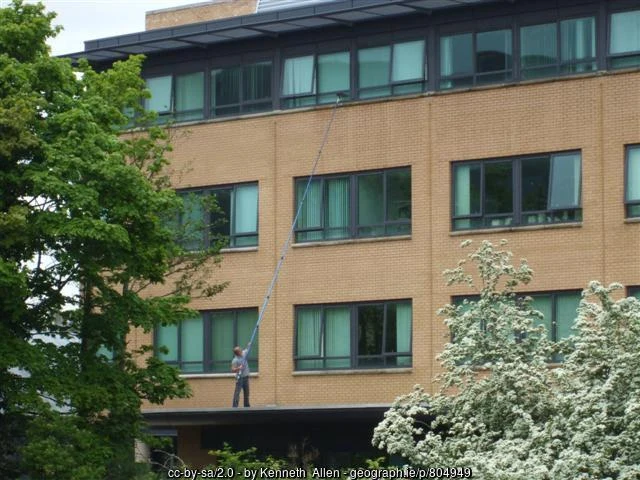
Explore by category
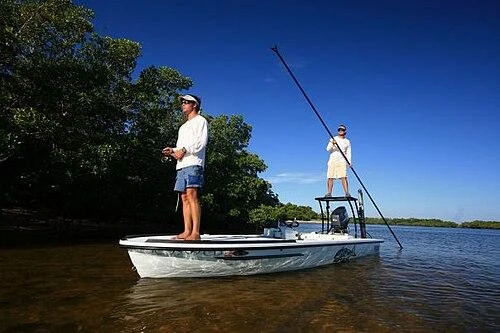 Boat Push Poles
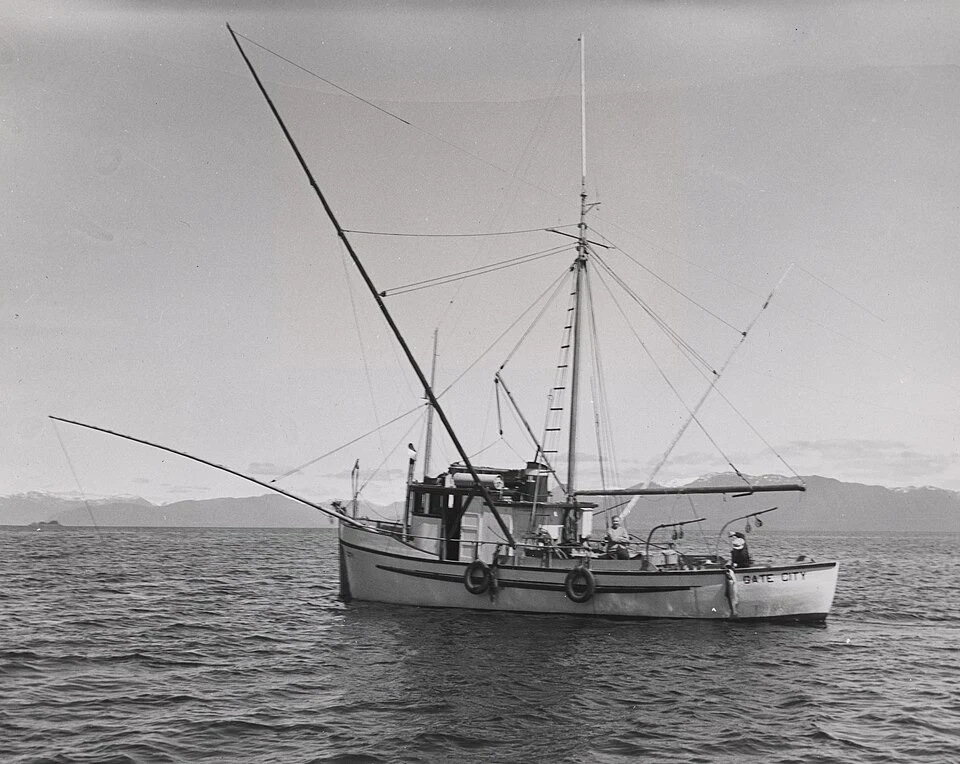 Fishing Outrigger Poles
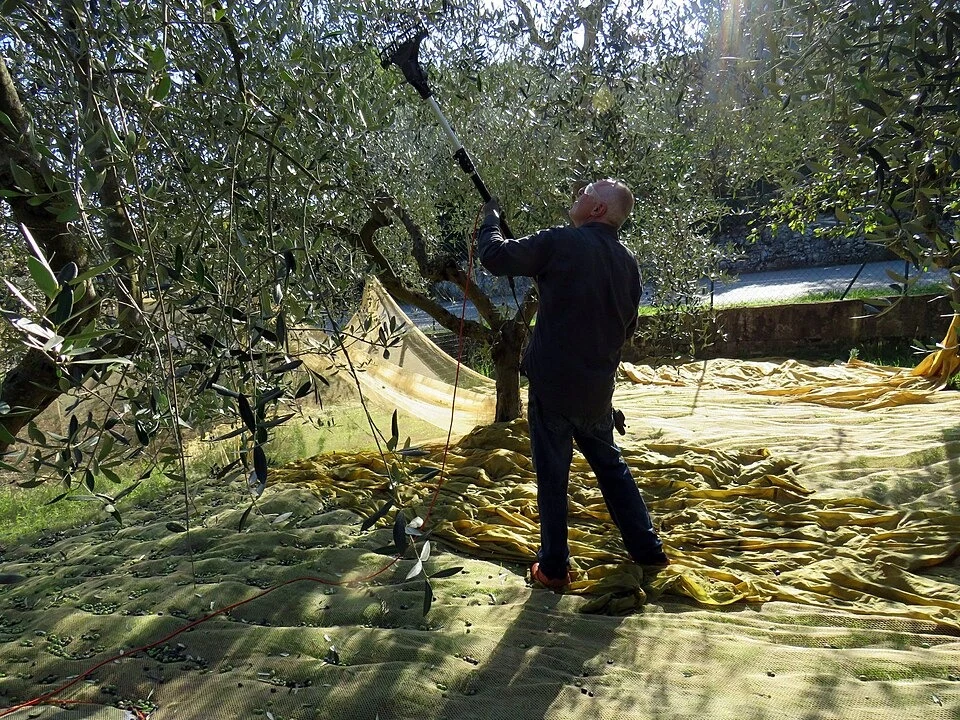 Fruit Harvesting Poles
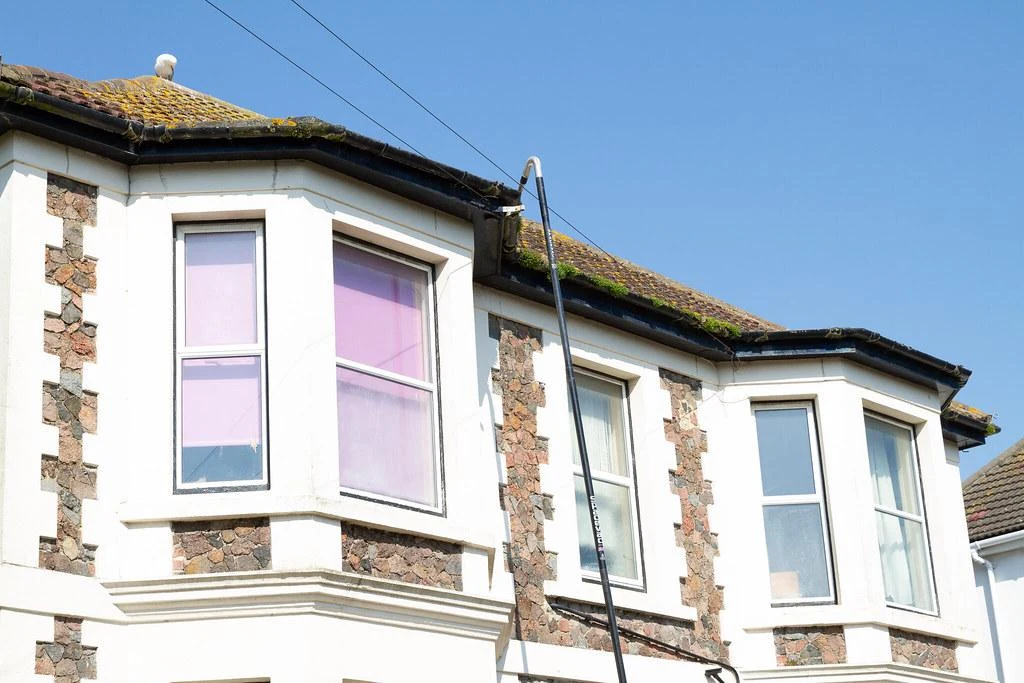 Gutter Vacuum Poles
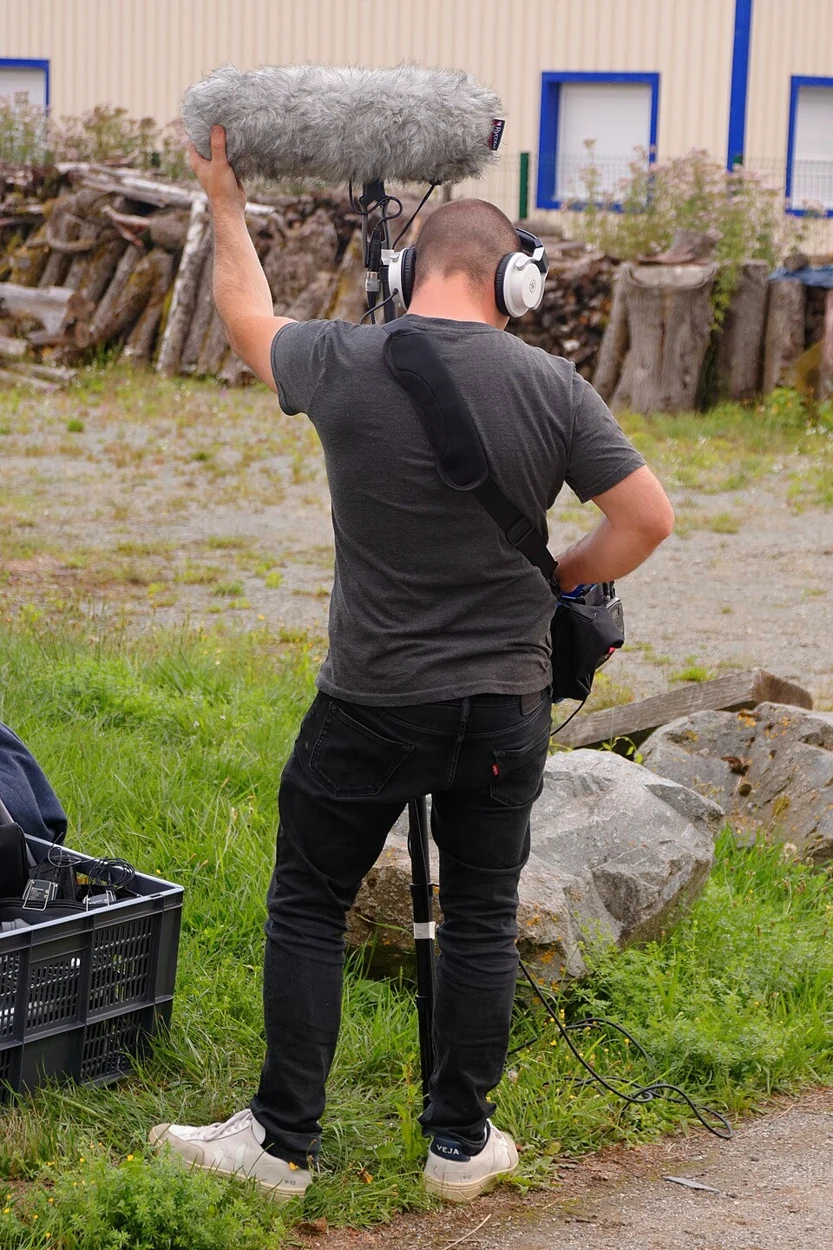 Microphone Boom Poles
 Telescopic Camera Poles
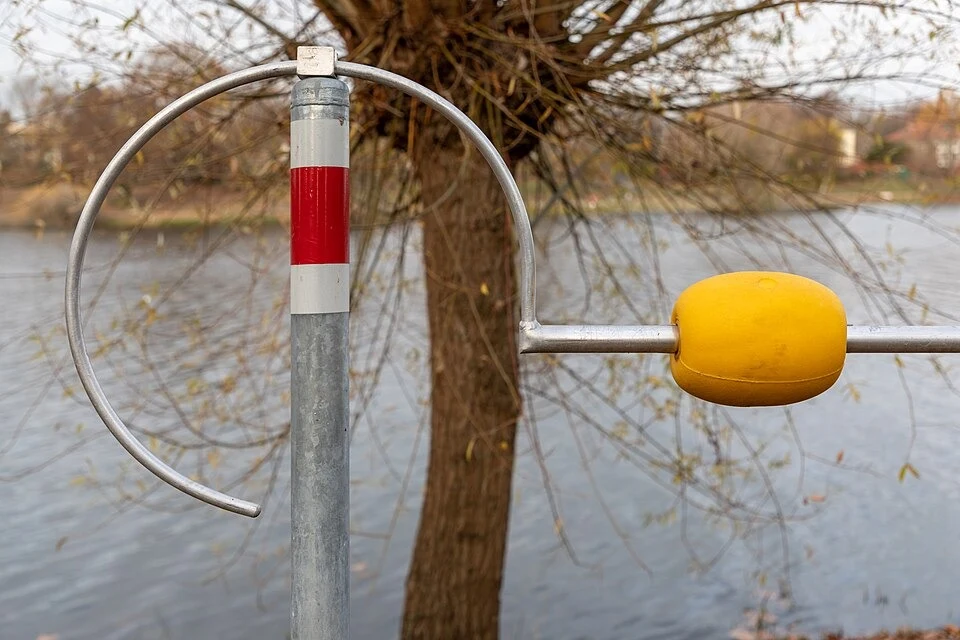 Telescopic Rescue Poles
 Telescoping Pressure Washer Wands
Start with the job at the tip
A telescopic shaft solves the transport problem of carrying a long tool, but the working head defines the equipment around it. A brush can require a water line, a vacuum head needs an open suction path, and a microphone needs a quiet mount. Begin with the operation you want to perform and the equipment already on site.
Compare reach only after identifying how the pole will be held or supported. An advertised working height, deployed shaft length and lens height describe different measurements. Storage is another independent constraint: the longest part must fit the vehicle, locker or case after any removable hardware has been taken off.
Compare pole constructions
| Configuration | When it fits | What to check |
|---|---|---|
| Telescoping assembly | Changing length while keeping sections nested together. | Check usable extension, collapsed length and locks. |
| Sectional assembly | Adding or removing individual lengths. | Compare joint fit, longest loose section and what the base kit includes. |
| Fixed shaft | A regular task with space to store the full working length. | Check the installed head or base and the total length for transport. |
How to compare a quoted reach across applications
Put three entries on the purchase sheet: the physical shaft length at extension, the position of the working point, and the assembled storage length. A camera buyer measures to the lens, a cleaner measures to the brush contact point, and a boat owner needs the length with the selected foot installed. Those are different assemblies even when the catalogue lengths look alike.
For each offer, identify what is installed when the dimensions and weight are measured. Leave an undocumented value open and request the corresponding drawing or model sheet. A useful response identifies the proposed pole, head, adapter and packed configuration together.
Choose the right application guide
Building maintenance
Choose window cleaning for a brush or squeegee, pressure washing for a pressurized nozzle, or gutter vacuuming for a suction head and hollow air path.
Marine and waterside
Choose fishing outriggers for trolling lines, boat push poles for shallow-water propulsion, or rescue poles for a documented rescue system.
Orchards and production crews
Choose harvesting by crop and picking head, sound booms by microphone rig, and camera poles by payload and support arrangement.
Common questions
How much reach do you need?
Record both the usable extension and the largest packed length you can transport. For a sectional pole, include the number and length of sections. Check whether advertised working height includes the operator’s reach.
What will be attached?
Give the head model, connector and complete tip weight. For moving water, air or electrical signals through an assembly, include the hose or cable route. Confirm compatibility for the complete setup.
What to measure before comparing poles
- Record target working position and maximum packed length separately. Note where the operator, deck mount or support base will sit.
- Identify the attachment and the part it connects to. Include fitted accessories when giving weight at the tip.
- List equipment already owned and which pieces the new assembly must include.