Telescopic Rescue Poles
We manufacture T700 carbon fiber reach poles for water rescue equipment. Configure the extension, head interface, lock and optional anti-pull-out structure for the intended system.
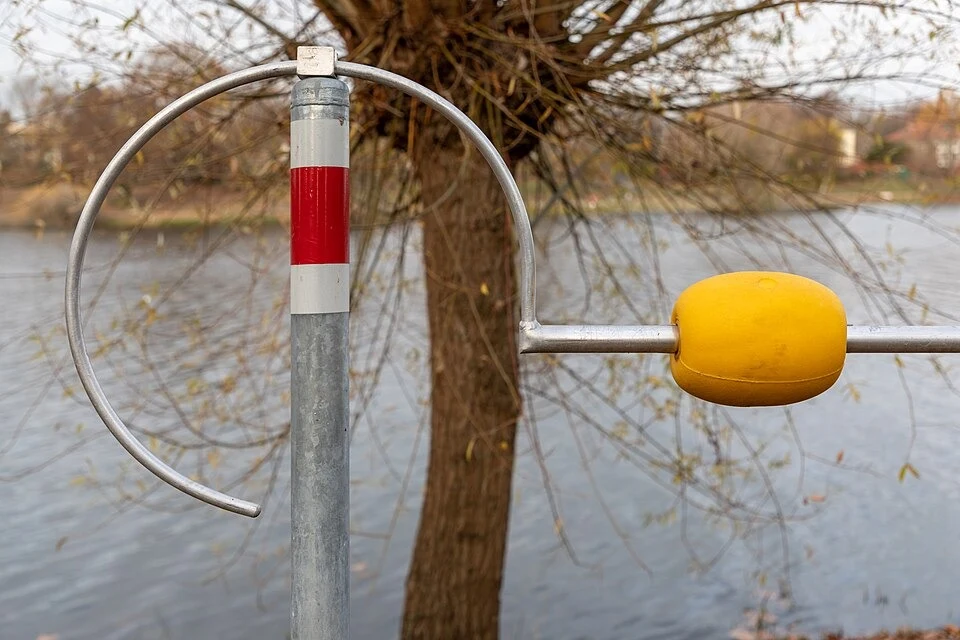
Custom Carbon Fiber Telescopic Rescue Pole for Water and Emergency Rescue
Product Overview
Our Carbon Fiber Telescopic Rescue Pole is designed for water rescue, swimming pool rescue, flood response, and other emergency rescue applications.
Manufactured from high-quality carbon fiber composite materials, this telescopic rescue pole combines lightweight construction, high stiffness, and excellent structural performance. Its extended reach allows rescuers to assist people in difficult-to-reach areas while maintaining a safer distance from dangerous water conditions.
The multi-section telescopic design allows the pole to be extended and retracted conveniently for different rescue situations. With customizable lengths, locking mechanisms, tube dimensions, and end fittings, it can be adapted to various professional rescue equipment requirements.
We provide OEM and ODM manufacturing services for rescue equipment brands, emergency response suppliers, swimming pool equipment distributors, and professional safety equipment manufacturers.
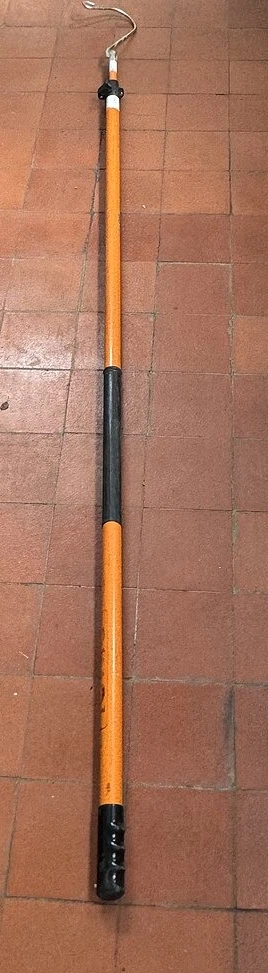
The working end, bright shaft and lower grip are visible together in this reach-pole example.
Industry reference · Eunosfire986 · CC0 · Detail crop
Key Features
1. Lightweight and High-Strength Carbon Fiber Construction
- High-quality carbon fiber composite material
- Lightweight structure for easier handling and transportation
- Excellent stiffness and structural stability
- Corrosion-resistant material suitable for outdoor environments
- Helps reduce operator fatigue during rescue operations
2. Long-Reach Telescopic Design
- Multi-section telescopic construction
- Extended lengths available according to customer requirements
- Compact retracted size for convenient storage and transportation
- Flexible length adjustment for different rescue situations
- Custom section numbers and tube dimensions available
3. Reliable Section Locking System
- External clamp or plate buckle locking options
- Secure section positioning during operation
- Convenient extension and retraction
- Custom locking mechanisms available
4. Anti-Pull-Out Safety Structure
- Optional mechanical interlocking structure between adjacent tubes
- Helps prevent accidental separation of pole sections
- Provides additional connection security
- Designed for more reliable telescopic operation
5. Custom Rescue Attachments
Different rescue accessories can be fitted according to the intended application.
- Rescue hooks
- Shepherd's crook attachments
- Floating rescue devices
- Rescue rings and buoy attachments
- Customized connection adapters
- Quick-release attachment systems
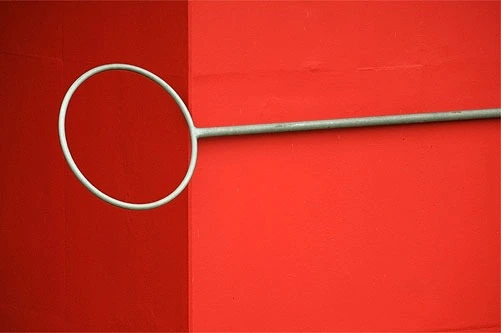
The fixed ring illustrates one possible head geometry and its connection to a straight shaft.
Industry reference · Roland Zumbühl (Picswiss), Arlesheim (Commons:Picswiss project) · CC BY-SA 3.0
6. Customized Surface and Appearance
- 3K carbon fiber weave
- UD carbon fiber finish
- Matte or glossy surface
- Custom colors and safety markings
- Customized logo printing
Applications
- Water rescue and lifesaving operations
- Swimming pool rescue
- Flood rescue and emergency response
- Man-overboard assistance
- Animal rescue
- Ice and mud rescue applications
- Fire and emergency services
- Professional safety and rescue equipment
Technical Specifications
| Item | Specification |
|---|---|
| Product Name | Carbon Fiber Telescopic Rescue Pole |
| Material | T700 Carbon Fiber |
| Construction | Multi-Section Telescopic Design |
| Extended Length | Customized |
| Retracted Length | Customized |
| Number of Sections | Customized |
| Tube Diameter | Customized |
| Wall Thickness | Customized |
| Fiber Layup | UD / 3K / Customized |
| Surface Finish | Matte / Glossy / 3K / Customized |
| Locking System | Plate Buckle / Clamp Lock / Customized |
| Safety Structure | Optional Anti-Pull-Out Interlocking Design |
| Top Connection | Customized |
| Rescue Attachments | Hook / Crook / Buoy / Customized |
| Color | Customized |
| OEM / ODM | Available |
Final specifications, attachment compatibility, buoyancy requirements, and structural performance can be customized according to the intended rescue application.
Customization & OEM/ODM Services
We provide customized carbon fiber telescopic rescue poles for professional rescue equipment manufacturers, emergency response suppliers, and safety equipment brands.
Available customization options include:
- Overall extended and retracted length
- Number of telescopic sections
- Tube diameter and wall thickness
- Carbon fiber material and fiber layup
- Locking and anti-pull-out structures
- Rescue hooks and attachment interfaces
- Floating accessories and buoyancy components
- Surface finish, color, and logo printing
- Customized packaging and product branding
Samples and customized product development are available upon request.
Why Choose Our Carbon Fiber Rescue Poles?
- Professional carbon fiber tube manufacturing experience
- Lightweight construction for easier rescue equipment handling
- High stiffness and customizable structural design
- Flexible telescopic length and section configurations
- Custom locking and connection solutions
- Compatible with different rescue attachments
- OEM and ODM manufacturing support
We work with rescue equipment manufacturers, emergency response suppliers, and professional safety brands to develop customized carbon fiber telescopic rescue poles for different operational requirements.
Contact us to discuss your custom carbon fiber telescopic rescue pole project.
Equipping a waterside response point
A rescue pole extends the reach of a trained team using an attachment selected for a defined task. Procurement for a fixed station starts with the site and the equipment specification of the responsible organization. A vessel kit adds different constraints, including locker length, retention in storage and access to the assembled equipment.
The head defines how the user can interact with the target. A retrieval hook, flotation attachment and manufacturer-approved rescue assembly can have different purposes even when the shafts appear similar. Record the exact combination and its documented limits. A photograph of a waterside station illustrates placement; it cannot establish the rating of a product.
Choose the procurement scope
| Configuration | When it fits | What to check |
|---|---|---|
| Fixed-site kit | Equipment assigned to one waterside location. | Check storage, access, inspection responsibility and the full kit inventory. |
| Portable team kit | Equipment carried between designated response points. | Compare packed dimensions, component retention and the instructions supplied with the complete kit. |
| Replacement head or shaft | An organization maintaining an identified system. | Require written compatibility for the exact models and confirmation of the resulting permitted use. |
What should the equipment record identify?
For a fixed rescue point, make one record for the assembly assigned to that site. Enter the shaft model, head model, retention fitting and flotation component where specified. Link the relevant instruction revision to that record. Reach and Rescue publishes model details and separate information on floats, end fittings and maintenance; those details illustrate why a generic “rescue pole” entry is insufficient.
Before procurement sign-off, ask the responsible equipment lead to match the proposed kit to its documented intended use, inspection criteria and replacement parts. When a head is substituted, record the manufacturer’s compatibility confirmation against the new assembly. Any lifting requirement needs its own explicit, model-specific documentation.
Reach and Rescue • Ultralite system and maintenance information
Review a rescue kit before procurement
Documented purpose
Request the exact pole and head model references together with the manufacturer’s stated use and restrictions.
Readiness at the site
Compare packed dimensions with the storage point. Check that the instructions, attachment inventory and inspection record can stay with the kit.
Replacement parts
Identify which heads, retainers and sections are approved replacements and who can inspect the assembly before it returns to service.
Common questions
Choose the approved attachment
Identify the intended task and the exact pole and head combination approved by its manufacturer. Check head retention, flotation arrangements and the kit inventory with the team responsible for equipment.
Reach and load are separate specifications
Ask for the manufacturer’s documented reach, load direction and permitted use for the exact model and extension. A reach figure does not establish a person-lifting rating.
Which documents should accompany the kit?
Request the model-specific instructions, inspection criteria, service requirements and applicable conformity evidence. Confirm training and operational suitability with the responsible rescue organization.
What to include in an equipment review
- Intended deployment site, responsible team and its equipment specification or purchasing criteria.
- Requested head, storage method and required documentation. Identify any local training or inspection requirements for the supplier to address.
- Ask the supplier to identify the document and revision supporting each claimed rating. Refer operational decisions to the responsible rescue team.